Eco-Friendly Sticker Materials: Sustainable Options For Cairns Businesses
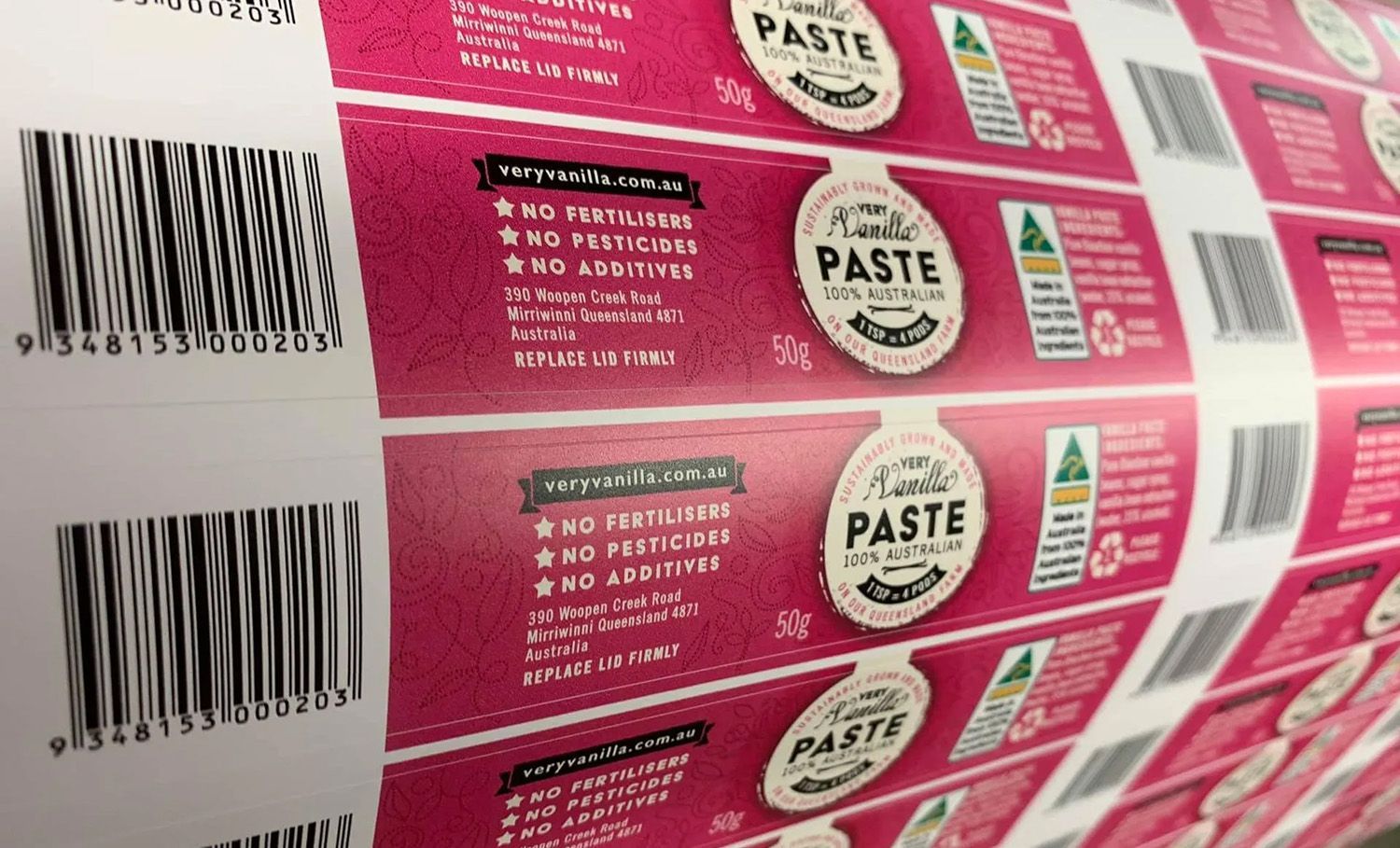
Stickers are small, but they add up quickly. A business might order a few hundred for packaging today, then a few thousand for seasonal promos next month, then another batch for product labels. Before long, stickers become one of those everyday essentials you can’t really avoid, yet they’re also a quiet source of waste.
That’s why eco-friendly sticker materials are gaining traction. People are asking what their labels are made from, what happens after use and whether there’s a lower-impact option that still looks sharp and performs well. The good news is that sustainable sticker printing in Cairns has moved past the old trade-off of “green means flimsy”. Today, there are recycled papers, compostable films, safer inks and smarter printing workflows that help reduce environmental impact without sacrificing finish or durability.
This guide will walk you through the main material and print choices available, how to match them to real uses and how a professional sticker printer helps you land on the right option.
Start with the Goal: An Eco Sticker Only Works if It Suits How You’ll Use It.
The most sustainable sticker is the one that does its job properly the first time. If a label peels, smudges or breaks down too early, you’ll reprint and reapply, which cancels out the eco benefit. That’s why material choice should start with use case, not trend.
A good sticker printing service will ask where the stickers are going, how long they need to last and what conditions they’ll face. A jar label that stays indoors has different needs to a courier carton seal or a short-term promo decal. Texture, moisture, sunlight, handling and even refrigeration can change which substrate and adhesive makes sense.
When printers guide this early decision, you avoid trial-and-error orders and end up with an eco option that functions as well as it looks.
Recycled Paper Stickers Are the Quiet Hero for Everyday Branding.
For many businesses, recycled paper stocks are the easiest sustainable switch because they suit most standard labelling tasks. They look natural, print cleanly and usually cost close to conventional paper options. Recycled paper stickers work well for:
- Packaging labels and seals
- Product branding for dry goods
- Event, promo or thank-you stickers
- Short-life labels where removability matters
Printers can also offer different finishes, like uncoated for a raw tactile feel or a light coating to help with scuff resistance. You can still choose shapes, sizes and die-cut styles, and order them as individual stickers or on rolls depending on your workflow.
If you want a clear eco story with minimal change to how you label products, recycled paper is often the best first step.
Compostable and Biodegradable Films Bring Durability Without the Long Tail of Waste.
Some stickers need more toughness than paper can offer. That’s where compostable and biodegradable films come in. These are often plant-based materials designed to break down more readily than traditional vinyl, especially in commercial composting conditions.
They’re useful for items that face moisture, friction or temperature shifts, like bath products, takeaway packaging or refrigerated goods. The film offers a smooth surface for crisp colour printing and a more durable feel, while still supporting sustainability goals.
A printer can help you weigh which biodegradable film suits your purpose, because not all “eco films” behave the same way. Some are suited to short-term indoor use, others offer stronger water resistance. Matching the film to the job is key to keeping the eco benefit realistic and the sticker reliable.
Water-Based Inks and Low-impact Printing Methods Matter as Much as the Stock.
Material is only half the sustainability story. Printing methods and inks play a big role too. Even a recycled stock can lose its edge if it’s covered in solvent-heavy inks that release harsh compounds during printing or make recycling harder. A lower-impact print setup often includes:
- Water-based or low-VOC inks
- Digital printing that avoids chemical plate processes
- Efficient colour profiling to reduce test prints
- Careful curing that doesn’t scorch or warp eco stocks
Good printers can still hit strong colour and clean detail using these methods, especially when artwork is prepared well. If you want confidence that your stickers are eco-friendly end to end, ask about ink types and print workflows, not just the substrate.
Choosing the Right Adhesive Can Make a Sticker Greener and Easier to Remove.
Adhesive is easy to forget, but it affects waste as much as the face material. An eco paper label with a stubborn glue that leaves residue on glass can make recycling harder, or force customers to scrub and rinse more aggressively.
A sticker printing service may offer a range of adhesive types, including removable, permanent and wash-off options. Removable adhesives suit short-life promos or packaging seals that don’t need to last. Wash-off adhesives are great for containers meant to be reused or recycled cleanly. Permanent adhesives suit products that face handling and transport.
The greener choice is whichever adhesive fits the job without overengineering it. Your printer should help you choose a strength level that avoids both peeling and unnecessary stickiness.
Lamination and Coatings: When Protection Helps Sustainability Instead of Hurting It.
Lamination can sound anti-eco because it often adds a plastic layer. Still, there are cases where a protective coating prevents early damage and reduces the need for reprints. The trick is choosing a protection option that matches the sustainability goal. Some printer-supported approaches include:
- Plastic-free or water-based coatings
- Matte coatings that reduce scuffing without heavy film
- Minimal protection for short-run, short-life stickers
- Selective lamination only where durability is essential
If a label must survive moisture or rubbing, a light eco-friendly coating can lengthen its life and avoid waste from product relabelling. If the sticker is purely decorative or temporary, skipping extra layers might be the better green call.
Short Runs, On-Demand Printing and Smart Sizing Reduce Waste Fast.
Waste isn’t only about materials. It’s also about ordering better. Large runs can leave you with boxes of outdated stickers if your packaging changes, your logo shifts or your promo ends early. Digital printing makes short runs far more accessible, which is a sustainability win in itself.
On-demand printing helps you order only what you need right now. Combined with good proofing and smart sizing, it cuts offcuts and overruns. A printer can also nest designs efficiently on sheets or rolls to maximise yield.
Reducing waste through smarter ordering is often the quickest sustainability gain available. It also saves money, which makes eco-smart choices easier to repeat across future campaigns.
How to Communicate Your Eco Choice Through Design, Not Greenwashing.
Choosing sustainable stickers is a good move, but it lands best when the messaging is honest and clear. Customers notice vague eco claims, so the design should communicate specifics without overselling. Practical ways to do that include:
- Using simple icons like “recycled paper” or “compostable film” if true
- Adding a short line explaining what the material is
- Avoiding sweeping claims like “zero impact”
- Keeping eco text proportional to the product story
Many printing services offer basic design support or prepress checks, and that can help you phrase eco messaging properly. When the design is straightforward and accurate, it builds trust and reinforces the value of your sustainable choice.
If you’re a local business looking to reduce packaging waste without compromising your branding, eco-friendly stickers in Cairns are a practical place to start. We at Aldine Printers can guide you through recycled papers, biodegradable films, low-impact inks and the right adhesive options for your products, then print them in the sizes and quantities that make sense for your workflow. Visit https://www.aldineprinters.com.au/ or contact us to chat about sustainable sticker materials and get a quote tailored to your next run.